Bertram Acreage Home Septic & Well Inspections Before Closing
September 24, 2026
September 24, 2026
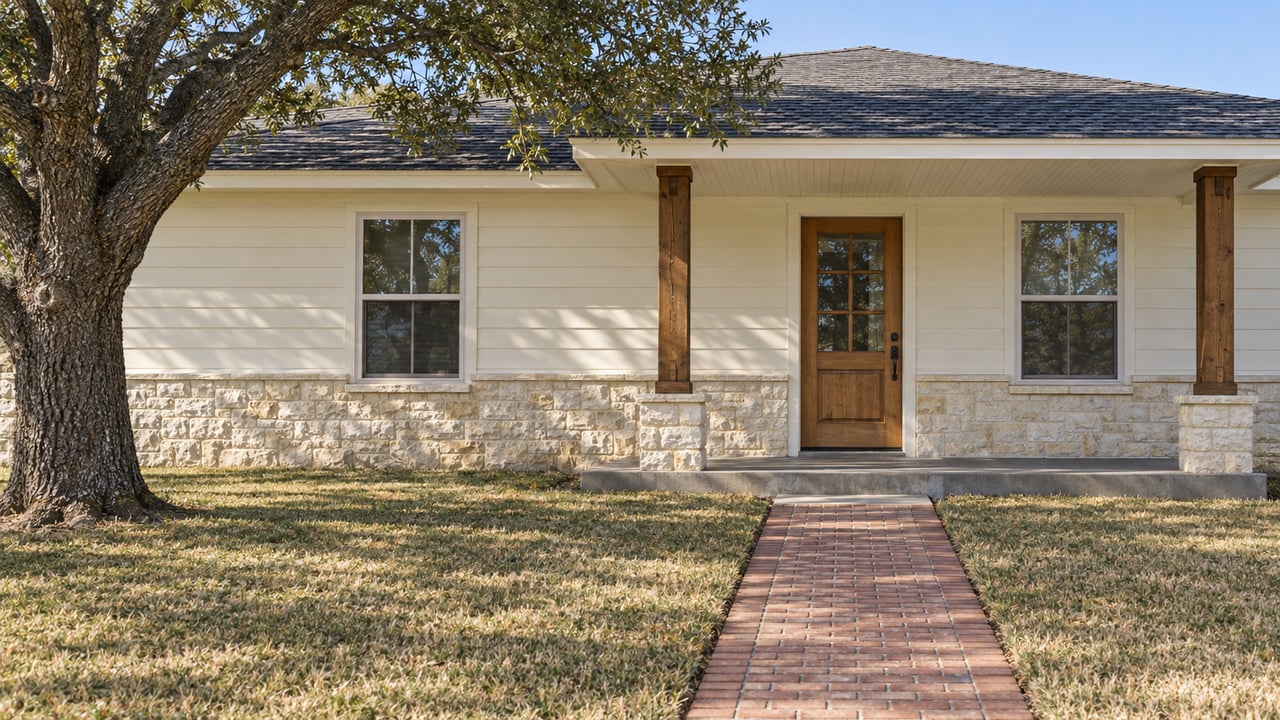
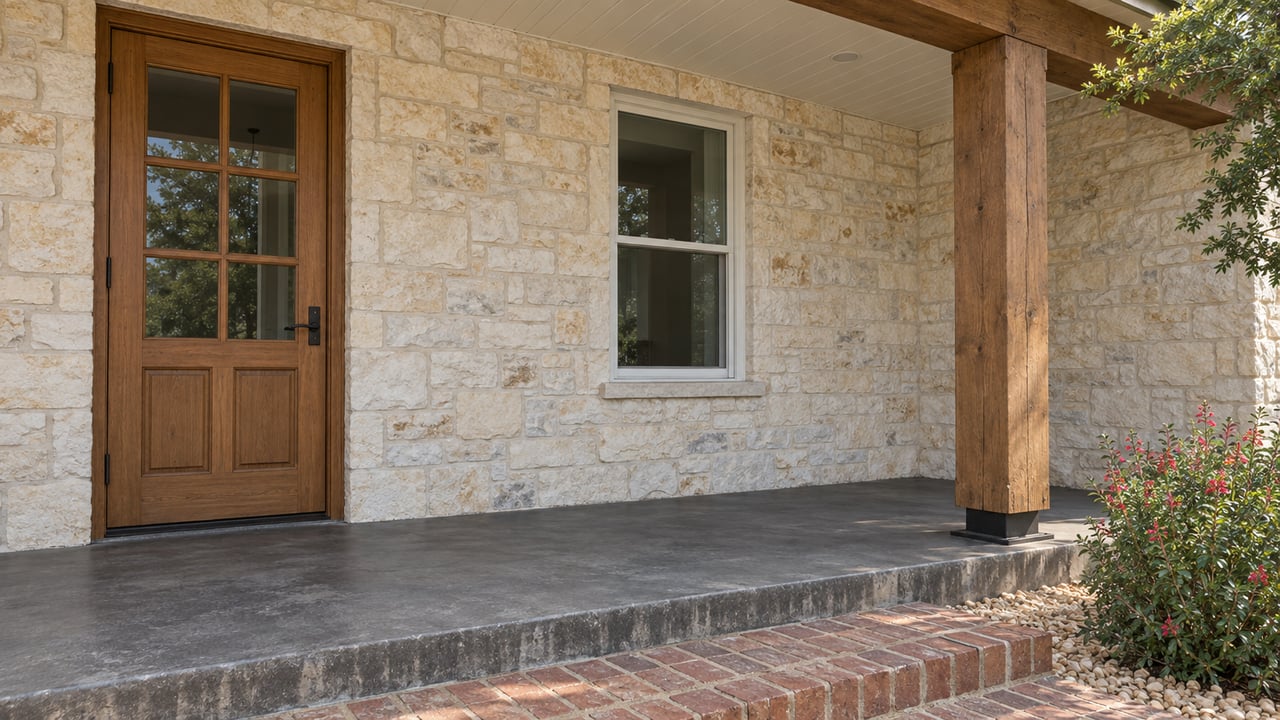
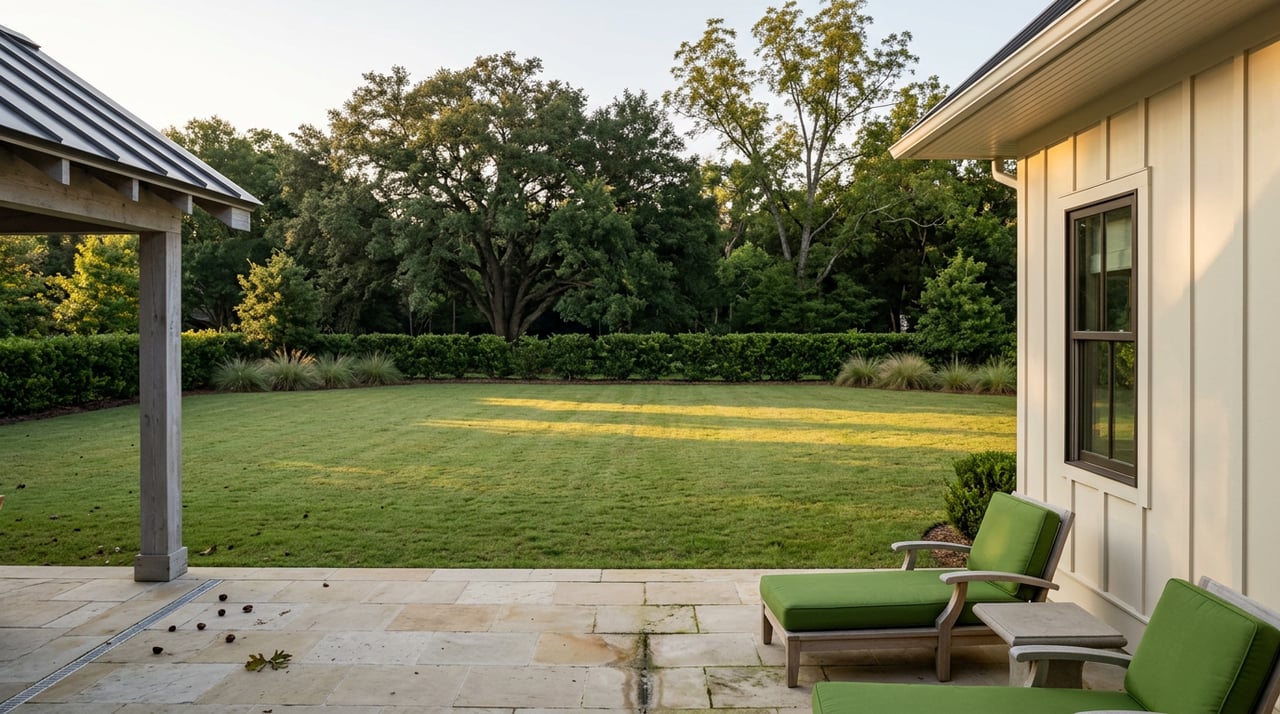
A buyer walks a twelve-acre property outside Bertram, falls for the wraparound porch and the well-maintained casita out back, and assumes the size of the lot buys some slack on paperwork. In most Texas counties, that assumption is correct. The Texas Septic Regulations 2026 guide says Texas state rule exempts on-site sewage facilities on tracts over ten acres from the standard permit requirement. Burnet County wrote its own rule to close that gap, and it applies to every acreage-custom home in Bertram regardless of how many acres come with the deed.
That single local decision changes what due diligence actually looks like here. It is the difference between a buyer who breezes through option period and one who finds out, two weeks before closing, that the guest house has been running wastewater into a system nobody ever inspected.
Under the state's standard, 30 TAC Chapter 285, properties larger than ten acres can often skip the permit process for an on-site sewage facility. That exemption is common enough that out-of-area buyers, agents, and even some lenders treat it as the default. Burnet County's own On-Site Sewage Facility Order says otherwise. The county's order explicitly states that it will permit and inspect all on-site systems regardless of the size of the tract of land the system sits on, citing rapid development and the concentration of streams, creeks, and ponds across the county as the reason for the stricter standard.
For a buyer comparing a Bertram acreage listing to something similar in a neighboring county, that is not a paperwork footnote. It means the property you are buying has a permit on file with Burnet County, or it should.
Burnet County's order treats any septic system as regulated, whether it serves the main house, a detached guest quarters, or an outbuilding that got plumbed in later. Acreage-custom homes in Bertram frequently include a casita, a pool house, or a second living structure, and those additions are exactly where the permit trail tends to break down. A previous owner adds a guest house, connects it to the existing tank, and everyone moves on until a buyer's inspector opens the tank and finds a system carrying more load than it was ever designed for.
This is not a hypothetical specific to any one seller. It is a known pattern in rural Hill Country transactions: a system permitted for a three-bedroom main house ends up serving a fourth structure that was never part of the original design. The fix, before you are under contract or during your option period, is to pull the OSSF permit record from Burnet County and confirm the system on the ground matches the system on file, including the number of bedrooms and structures it was approved to serve.
Even if the permit checks out, financing runs on a separate set of numbers. FHA loans, under HUD Handbook 4000.1, require specific distances between a private well and a septic system before the loan can close.
| Component | Minimum Distance |
|---|---|
| Well to septic tank | 50 feet |
| Well to drain field | 100 feet |
According to the Texas Septic Guide, VA loans require the system to be in good working condition and properly sized, without the same fixed distances, but both loan types defer to Burnet County's rules where the county standard is stricter than the federal one. On a property with an older well and a septic system installed decades apart, these setbacks are not guaranteed.
This is the kind of detail that surfaces during the appraisal or the well inspection, often later in the timeline than buyers expect. Checking the distances during option period, not after the appraiser flags it, is what keeps a financed acreage purchase on schedule.
A meaningful share of acreage-custom homes in this part of the Hill Country run aerobic septic systems rather than conventional gravity-fed ones, largely because rocky terrain and thin topsoil make conventional drain fields harder to site. Aerobic systems require an active maintenance contract with a licensed provider, according to Davis Septic Services.
A missing or expired maintenance contract is one of the most common issues that surfaces on a pre-sale septic inspection. It is an easy fix, usually a matter of signing a new contract with a licensed local provider, but it is also an easy thing to overlook if nobody asks the question until the week of closing. Sellers who confirm their aerobic contract is current before listing remove one more objection before a buyer's inspector ever shows up.
Statewide, a septic inspection for a Texas home sale runs $300 to $600 as of early 2026, and that figure typically includes pumping the tank as part of the process. Pumping on its own runs $235 to $485. Those numbers apply to a standard system. Acreage-custom homes with aerobic systems, guest structures, or systems serving more bedrooms than a typical suburban lot tend to sit at the higher end of that range, simply because there is more system to inspect.
The repair-or-replace math matters more on acreage properties than it does on a standard subdivision lot, because the systems tend to be larger and the terrain tends to be less forgiving. A $500 repair on a system that is fifteen years old and otherwise sound is worth making. A $4,000 repair on a system nearing thirty years old, on rocky ground where a full replacement already runs $10,000 to $15,000, is a different conversation entirely. Buyers who get an inspection during option period get to have that conversation before they own the problem. Sellers who get one before listing get to have it on their own terms, with time to fix what's fixable rather than negotiate under a closing deadline.
Texas law does not assign the cost of the septic inspection to either party by default. It is negotiable in the contract, and most commonly the buyer pays, especially when a lender requires it, though a seller footing the cost of a pre-listing inspection is common enough on acreage listings where a clean report removes a buyer's biggest objection before it's raised.
Local septic and well providers who work Burnet County regularly, including Mud Duck Septic Service and Davis Septic Services, know to pull county permit records before they even get to the tank, because the paperwork question comes first in a jurisdiction like this one. That is worth asking about directly when you're lining up an inspector: has this company worked Burnet County's OSSF process before, and do they know to check the permit against what's actually installed.
The right time to make that call is during your option period, not after. A general home inspection does not open a septic tank, measure sludge and scum layers, or walk a drain field looking for saturation. That is a separate inspection, done by a separate licensed professional, and on an acreage-custom property in Bertram, it is the inspection that tells you whether the permit, the physical system, and the loan requirements all agree with each other.
Does a ten-plus acre property in Bertram still need a septic permit? Yes. Burnet County's own order requires permitting and inspection for on-site systems regardless of tract size, which is stricter than the state's standard ten-acre exemption.
Who pays for the septic inspection, buyer or seller? Texas law leaves it open to negotiation in the contract. Buyers commonly pay, particularly when a lender requires the inspection, though sellers sometimes cover a pre-listing inspection to strengthen their listing.
What happens if the well and septic don't meet the FHA setback distances? It's worth checking these distances early rather than waiting for the appraisal to catch them.
Does an added guest house or casita need its own septic permit? If it's connected to the existing system, check the permit on file against the structure and load it serves. Any mismatch is worth looking into before you close, not after.
If you're looking at acreage in Bertram and want to know what a specific property's permit history actually shows before you write an offer, that's exactly the kind of groundwork Kayla Runge walks buyers through. Schedule a free consultation and home valuation to start with a clear picture of what you're buying, not just what's listed.
This article is general information, not legal, tax or financial advice. Consult a qualified professional about your situation.
Stay up to date on the latest real estate trends.